


Green buildings: Europe accelerates toward a sustainable futureGreen buildings:
The momentous turning point:
On Nov. 14, 2023, the European Parliament approved the Green Homes Directive, an ambitious package of measures that will revolutionize the European building sector, and in a few days this Directive will become a Law that will be published in the Official Journal. The goal is clear: Member states will have to decarbonize the housing stock by 2050, making buildings more efficient, sustainable, and comfortable.
What changes:
- New energy standards: By 2030, all new buildings must be zero-emission, while existing buildings must achieve energy class E by 2033 and D by 2035.
The Green Homes Directive represents a major challenge for Europe, but also an opportunity to create a more sustainable and inclusive future. The success of this transition will depend on the cooperation of all stakeholders: citizens, businesses, governments and European institutions.
a new approach that promises to revolutionize the way we think about energy consumption in our homes. This represents a significant step toward climate neutrality by 2050, in line with the European Union’s broader environmental goals.

The suggested new approach not only aims to reduce energy consumption, but also to promote the use of renewable sources and innovative technologies
What we can do:
- Inform us: Learn more about green homes and the benefits they offer.
- Requesting an energy assessment of our building: An essential first step in understanding how to improve the energy efficiency of our home.
- Investing in upgrades: There are several ways to improve the energy efficiency of a building, certainly starting with much-needed thermal insulation, moving on to the installation of energy-efficient windows and doors and the replacement of heating and cooling systems.
- Spreading the culture of energy conservation: Adopting virtuous behaviors, such as using energy-efficient appliances and shading glazed surfaces.
Another aspect will be the reintroduction of the rebate on the bill (contradicting the critical attitudes of recent governments regarding this practice) by again offering consumers the opportunity to benefit from an immediate rebate on the bill for energy upgrading work, rather than waiting for a credit from the state.
The contribution of designers and building traders to the new Green Deal
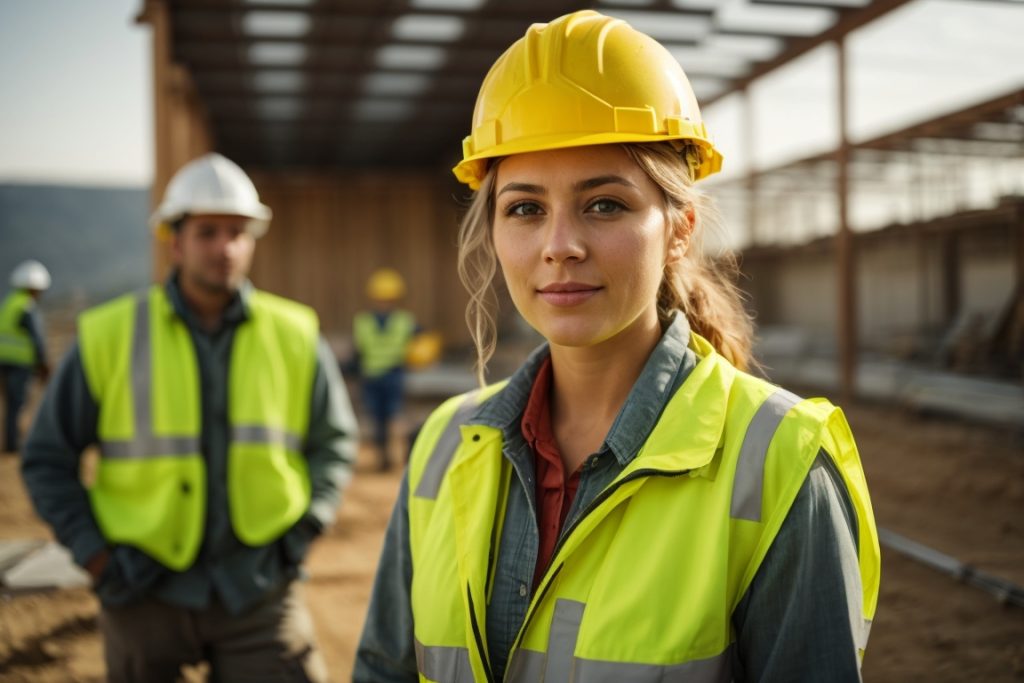
For these reasons, designers and building tradesmen will play a key role in achieving the goals of the European Green Deal, particularly with regard to the decarbonization of buildings.
Key competencies:
- Designers: They will be expected to develop specific skills in green building design, with a focus on energy efficiency through proper envelope insulation practices and the use of sustainable materials by crossing over from the adoption of the usual synthetic faux green products.
- Building tradesmen: They will need to be able to advise and provide customers with innovative products and solutions for energy upgrading and zero-emission building construction.
Opportunities for growth:
The growing demand for “green” skills will require specific training for designers and building tradesmen, it is implied that the spread of new technologies for energy efficiency and building sustainability will provide new business opportunities.
We also hope that a collaboration between designers, building traders, and other supply chain players will become critical to the success of the Green Deal.
2050, building trade, designers, energy saving, energy standards, EPA, green buildings, insulation, invoice discount, thermal insulation
